
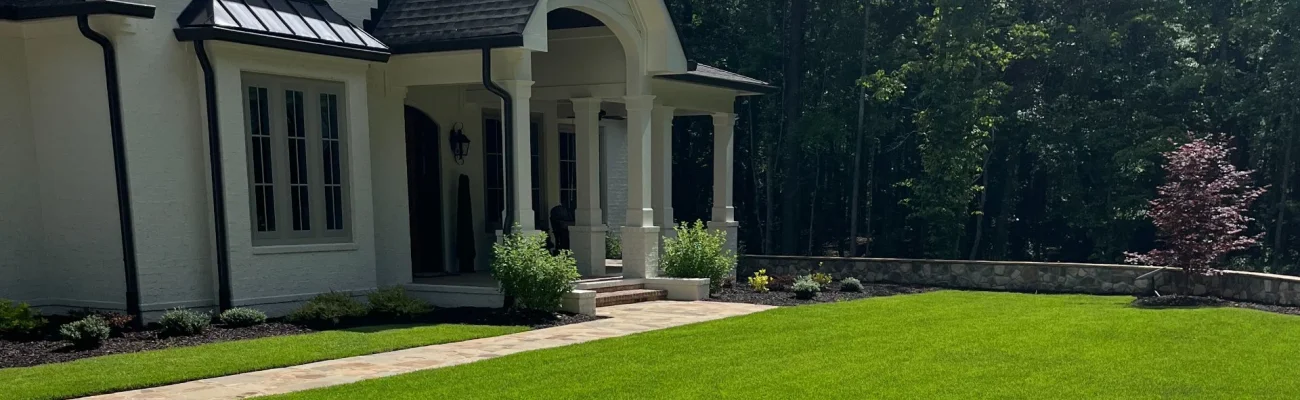
What Homeowners in Roswell Are Dealing With
Weeds are one of the most frustrating lawn problems homeowners in Roswell deal with, especially when past treatments to clear them don’t seem to make a dent.
If you’ve tried to get ahead of them on your own or have worked with other lawn companies before and still aren’t seeing the results you want, there’s usually a reason. It often has less to do with the number of applications the lawn has received, and more to do with what’s actually driving the problem.
The Real Reason Weeds Keep Returning
Most standard off-the-shelf lawn treatments focus only on what you can see — the weeds themselves. But weeds don’t just appear randomly; they take advantage of specific weaknesses in your lawn’s health.
In Roswell, we commonly see weeds thrive because of:
- Thin or patchy grass
- Weak root systems
- Compacted clay soil
- Poor timing of previous treatments
- Inconsistent applications in the past
When a lawn isn’t strong and dense, weeds have plenty of room to move in. That’s why simply spraying weeds as they appear rarely solved the problem long-term.
Roswell Lawns Have Their Own Challenges
Lawns in Roswell, GA deal with a unique mix of conditions that make weed control more difficult than people expect.
The biggest factors we see:
- Clay-heavy soil: North Georgia soil tends to be dense and compacted, which limits root growth and makes it harder for grass to thrive.
- Long, hot summers: Heat stress weakens grass, especially if it doesn’t have a strong root system. That opens the door for weeds to take over.
- Aggressive weed types: From crabgrass in the summer to broadleaf weeds throughout the season, Roswell lawns face constant pressure.
If your lawn struggled last year, there’s a good chance those same issues are still affecting it now.
Why “More Treatments” Isn’t Always the Answer
It’s easy to assume if weeds show up, you need to keep applying more product. But if those treatments aren’t part of a comprehensive plan, they usually lead to more frustration.
Extra treatments don’t fix:
- Weak soil conditions
- Thin turf
- Underlying lawn stress
What actually works is to transition to a program that builds a lawn capable of naturally resisting weeds. This means moving the focus toward:
- Strengthening root architecture
- Improving turf density
- Establishing a consistent, professionally timed schedule
Healthy grass is the best defense against weeds.
What Actually Works: A Smarter Lawn Care Approach
The lawns that see the most dramatic improvement aren’t the ones that get the most chemicals; they’re the ones that get the right strategy from the start.
A professional lawn care program should:
- Start with a diagnosis: Identify why the weeds are winning.
- Build the grass: Use fertilization to create thick, weed-choking turf.
- Preventive Care: Apply pre-emergents at precise intervals before weeds even germinate.
- Consistency: Follow a proactive plan throughout the entire Georgia growing season
When It Might Be Time for a Different Approach
If your lawn was treated in the past, either by another lawn company or DIY, but weeds keep finding their way back, or if the grass looks thin and uneven despite your best efforts, the underlying issue likely hasn’t been addressed.
Many homeowners come to Solid Green after trying other solutions or DIY methods without seeing lasting results.
We start by figuring out what is actually driving the weed growth in your specific soil before we recommend a course of action.
Once we understand the “why,” we build a program that addresses the cause—not just the surface-level symptoms.